


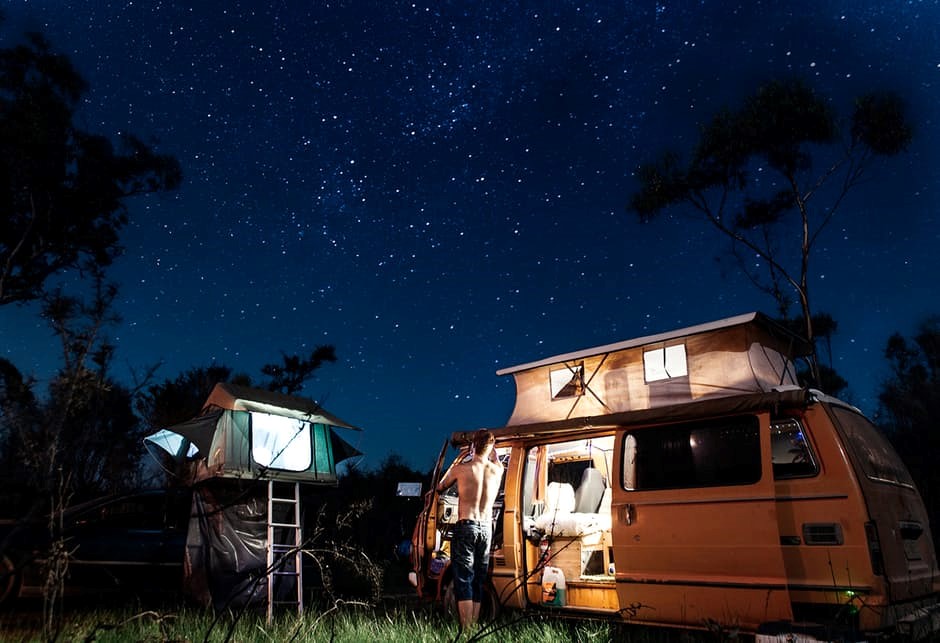
Maybe you are a seasoned RV traveler, or maybe the idea of living and traveling around the country in a home on wheels is a new concept for you. Whatever your relationship with motor homes is, the idea of living full-time in a vehicle can seem strange, at first. However, living in an RV provides financial benefits and unique experiences that anyone can enjoy. If you are considering transitioning into living in an RV full-time, here are some things to consider before you make the big move.
Keeping up with
family and friends
For those of us used to visiting with family and friends in
person, moving away from a stationary home and into a mobile RV can seem
daunting. You may want to consider if traveling around the country on wheels
will affect your personal relationships. Living full-time in an RV, however,
can be a great option for those with loved ones spread around the country. It
provides the opportunity to visit everyone you would not normally be able to
visit, and offers a new and improved lifestyle for those who are willing to
give it a try.
Having less space
means having fewer things
While there is a certain level of freedom that can be found
in drastically minimizing your possessions and solely living out of your RV,
there are other options. You can keep your nostalgic possessions (that might
not have any use out on the road) in a storage unit and pay for it month by
month. This option is good for those who are looking at living out of an RV as
a temporary change. But for those who are wanting a more permanent fix, buying
a storage shed to keep at the homes of family or friends will save money in the
long run and provide better peace of mind knowing their belongings are safe.
Downsizing is a great option for those looking to completely change their
lifestyle, but for those not wanting a fully permanent change, storing
important items that are unnecessary out on the road can be a nice backup if
you ever decide that living full-time on the road is no longer the lifestyle
for you.
Staying connected
Unless you are planning to retire and live in an RV full-time,
you may require internet and connection and cell service to work from home and afford your new lifestyle. Consider this massive change in work style
before you make the switch, but there are always ways to stay connected. A lot
of times, finding internet connection and staying connected changes from
location to location, and is dependent upon the amount of time you stay in that
location. For staying in one spot or camping site over a longer period of time,
it can be easy to rely on the public Wi-Fi available at that site or stop by a
coffee shop to hop on to their free internet. But for more mobile travelers, or
for travelers who are tired of the potentially slow Wi-Fi at campsites, a
relatively affordable option is a version of the HughesNet
Spot Beam Service, which offers internet on the go.
Considering the size
of your RV
The bigger the RV, the more problems of trying to find camping
spots that fit your vehicle. Again, this is where the idea of downsizing becomes
important. Before you buy into the massive motorhome idea, really consider how
much space you need and if you can downsize further. The smaller the vehicle,
the easier a time you will have finding camping spots and traveling around the
country. If you are still confused, this article
highlights the details of each type of RV and travel trailer and what kind of
travelers they are best suited for.
Considering your
budget
Andrew M. Odom and his family have been living out of their
RV, working and living comfortably by budgeting
their consistent income and being mindful of their monthly expenses. Payments
for utilities, camping sites, auto insurance, and groceries are all factors to
consider when determining your monthly or yearly living budget. While
transitioning to living in an RV full-time is certainly a change, with a little
extra mindfulness to monthly expenses and budgeting, a comfortable life out on
the road is not only attainable, but very feasible.
Deciding if you want
more free time (you do)
Instead of spending hours maintaining the interior and
exterior of a home, from repainting and remodeling to mowing and weeding,
living out of an RV requires little to no added maintenance. This means more
time for pursuing hobbies, family bonding, and enjoying the social activities
at camp sites. While it may be a tough decision to choose between having more free time
or less free time (it's not), for those wanting to experience a happier, more
fulfilling life of pursuing hobbies and enjoyable activities, moving into an RV
could be the move for you.
Moving from a house or an apartment to an RV full-time can
be a daunting task, but it can also save you money, wasted time spent on
household chores, and provide endless and fulfilling memories. And remember, if
you officially make the move to living in your RV full-time, the folks here at RV Shop will gladly help with any maintenance
issues, equipment replacement, and questions you may have along the way. Happy
camping!
